 Women’s Hygiene Products
Licorice Root (Glycyrrhiza glabra)
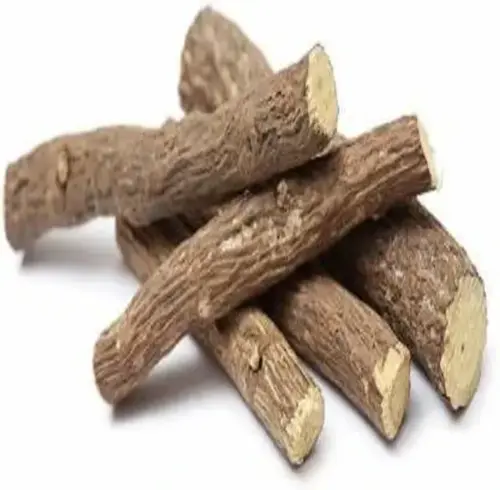
Licorice root, scientifically known as Glycyrrhiza glabra, is a remarkable herb that has been treasured across cultures for thousands of years. From ancient Egypt to Traditional Chinese Medicine and Ayurveda, licorice root has earned its place as a natural healer, beauty enhancer, and vitality booster.
Whether you’re looking to improve your skin, balance hormones, soothe digestion, or support your overall well-being, licorice root offers a broad range of benefits backed by both tradition and modern science.
What Makes Licorice Root So Special?
The magic behind licorice lies in its rich chemical composition. Its key active compounds include glycyrrhizin (glycyrrhizic acid), glabridin, liquiritin, and various antioxidant flavonoids. These ingredients contribute to licorice’s potent anti-inflammatory, antioxidant, antimicrobial, and hormone-regulating properties.
A Brief History of Licorice Root
Licorice root has a rich history spanning thousands of years:
- Ancient Egypt: Pharaohs enjoyed a sweet licorice drink believed to have healing properties.
- Traditional Chinese Medicine (TCM): Licorice is considered one of the most important herbs, used to enhance other herbs’ effects and promote balance.
- Ayurveda: The root is valued for its soothing and rejuvenating qualities.
- Ancient Europe and the Middle East: People chewed licorice root to clean their teeth before modern dental care existed.
Licorice was used to support overall health, longevity, and beauty, as well as to treat a range of ailments such as coughs, liver problems, skin disorders, and digestive issues.
Health Benefits of Licorice Root
1. Hormonal Balance and Adrenal Support
Licorice root acts as a natural hormone balancer. It supports the adrenal glands, which produce cortisol and other stress hormones, helping your body better handle stress. Licorice also influences estrogen and progesterone levels by inhibiting enzymes that break down progesterone, thus promoting hormonal harmony. This makes it particularly beneficial for women dealing with PMS, menopause, or hormonal imbalances.
- Glycyrrhizin can mimic adrenal hormones, potentially benefiting those with adrenal insufficiency.
- May regulate female hormones during menopause.
- Inhibits conversion of testosterone to DHT, which impacts hair loss.
2. Digestive Health and Ulcer Relief
Traditionally used to soothe stomach discomfort, licorice root promotes healing of the stomach lining and can alleviate symptoms of acid reflux, indigestion, and peptic ulcers. It increases mucus production in the gut, protecting tissues from acid damage and inflammation.
- Soothes irritation in the stomach and digestive tract.
- Helps treat acid reflux, heartburn, and ulcers by increasing protective mucus and reducing inflammation.
- Can act as a gentle laxative when combined with other herbs.
3. Respiratory Support
Licorice’s demulcent (soothing) and expectorant properties make it a common ingredient in cough syrups and lozenges. It helps calm irritated throats, reduce mucus buildup, and relieve bronchitis and cough symptoms.
- Acts as a natural cough suppressant and expectorant.
- Soothes sore throats and bronchitis.
- Anti-inflammatory properties help ease asthma symptoms.
4. Immune Boost and Antiviral Action
Licorice root stimulates immune response and exhibits antiviral activity against several viruses, including herpes, hepatitis, and the Epstein-Barr virus. Its ability to induce interferon production helps the body fight infections more effectively.
- Stimulates the immune system.
- Active against viruses like herpes, hepatitis, and Epstein-Barr.
- Helps manage chronic yeast infections.
5. Skin Health and Beauty
Licorice is a superstar for skin care:
- Brightening and Dark Spot Reduction: Compounds like glabridin and liquiritin inhibit tyrosinase, the enzyme responsible for melanin production, naturally fading dark spots and uneven skin tone.
- Anti-inflammatory and Soothing: Licorice reduces redness and inflammation, making it excellent for eczema, psoriasis, dermatitis, and other inflammatory skin conditions.
- Antioxidant Powerhouse: Its antioxidants fight free radicals, preventing premature aging and supporting collagen production for firmer, healthier skin.
- Scar Healing and Antibacterial: Licorice helps wounds heal faster and reduces scarring thanks to its antibacterial and anti-inflammatory effects.
- Natural Sun Protection: Though not a replacement for sunscreen, licorice offers some protection against UVA/UVB damage by dispersing melanin and shielding skin cells.
6. Hair and Scalp Benefits
Licorice root nourishes hair follicles, strengthens roots, and promotes hair growth by inhibiting the enzyme responsible for converting testosterone to DHT, a common cause of hair loss. It also soothes the scalp, reduces dandruff, and restores shine and softness to hair.
- Strengthens hair roots and promotes growth.
- Prevents hair loss by blocking DHT.
- Reduces dandruff and scalp irritation.
- Restores natural shine and softness.
Potential Side Effects and Precautions
While licorice root offers many benefits, it can cause side effects, especially when misused or taken in high doses for a long time.
Main Risks:
- Pseudo aldosteronism: A condition where the body retains too much sodium and loses potassium, causing high blood pressure, swelling, and heart issues.
- Symptoms may include headaches, muscle weakness, dizziness, and in rare cases, severe complications.
- Effects usually occur after prolonged use (over 4-6 weeks) or high doses (often >50 g of root daily).
How to Use Licorice Root
Licorice root can be used in several ways:
- Orally: In teas, capsules, tinctures, or extracts for general health.
- Topically: In creams, serums, lotions, or DIY masks for skin and hair.
- Chewing: Traditional practice for oral health.
Important Tips:
- When applying topically, dilute extracts to 5–10% to avoid irritation.
- Use alcohol-free formulations to prevent skin dryness.
- Mix powder with carrier oils or gels for DIY skincare.
- For internal use, follow dosage recommendations carefully.
Who Should Avoid or Use with Caution?
- People with hypertension, heart disease, liver or kidney problems.
- Those with low potassium or edema.
- Individuals taking blood pressure medications, diuretics, corticosteroids, or blood thinners.
- People sensitive to licorice (about 20% of the population).
Drug Interactions:
Licorice can interact with various medications, so consult your healthcare provider before use if you’re on any medications.
Deglycyrrhizinated Licorice (DGL)
- DGL is a form of licorice with most glycyrrhizin removed.
- It’s safer for long-term use, especially for digestive issues, because it doesn’t raise blood pressure.
- However, it may lack some of the adrenal-support and antiviral benefits of whole licorice.
Final Thoughts
Licorice root (Glycyrrhiza glabra) is a versatile, ancient herb with a wealth of uses for health, skin, and hair. When used responsibly and in moderation, it can offer impressive benefits—supporting digestion, respiratory health, liver function, skin radiance, and hair vitality.
However, like any powerful herb, it comes with precautions. Always consult a healthcare professional before starting licorice root supplements or high-dose extracts, especially if you have pre-existing conditions or take medications.
With mindful use, licorice root can be a wonderful natural ally in your wellness and beauty routine
From balancing hormones and soothing digestion to brightening skin and supporting hair health, licorice root is a truly versatile herb. Its centuries-old legacy continues today as modern science confirms many of its traditional uses.
For women seeking natural hormonal support alongside these benefits, supplements that combine licorice extract with other herbal allies can be particularly effective.
If you’re looking for a trusted Ayurvedic supplement that harnesses licorice’s power for women’s health, you might consider products like Prega Plus. It combines licorice extract with other herbs to support hormonal balance, reduce PMS symptoms, and promote overall reproductive wellness naturally and safely.
What is Licorice Root?
It’s an old herb from the Mediterranean, known for its sweet taste. It’s the same plant used for black licorice candy!
What good does Licorice Root do for my skin?
It helps brighten skin, fade dark spots, calms redness, fights skin damage, and can even help with oily skin and healing.
How can Licorice Root help my body internally?
It’s good for digestion, helps with coughs and breathing, supports liver health, helps with stress, fights germs, balances hormones, and might even help blood sugar and memory.
Are there any downsides to using Licorice Root?
Yes, the main compound, glycyrrhizin, can cause high blood pressure, low potassium, and fluid retention, especially with too much or long-term use.
What is DGL and how is it different?
DGL (Deglycyrrhizinated Licorice) is licorice root with most of the risky compound (glycyrrhizin) removed. It’s safer for digestion but doesn’t have all the other benefits of regular licorice.
How do I use Licorice Root in skincare?
You can find it in creams, serums, and cleansers. Don’t put pure extract directly on your face; always dilute it or mix it with other products.
Can Licorice Root help my hair?
Yes! It can strengthen roots, help with hair growth, prevent hair loss, reduce dandruff, and make your hair shinier. You can use it in masks, oils, or even add it to shampoo.