
 Women’s Hygiene Products
If you’ve ever searched for a natural remedy for blood sugar, hair growth, or women’s health, chances are you’ve come across fenugreek — also known as methi. But what exactly is it? And why is it so popular across cultures and health trends?
In this blog, we’ll break down everything you need to know about fenugreek — from its nutritional power to its benefits for diabetes, digestion, skin, hormones, hair, and more.
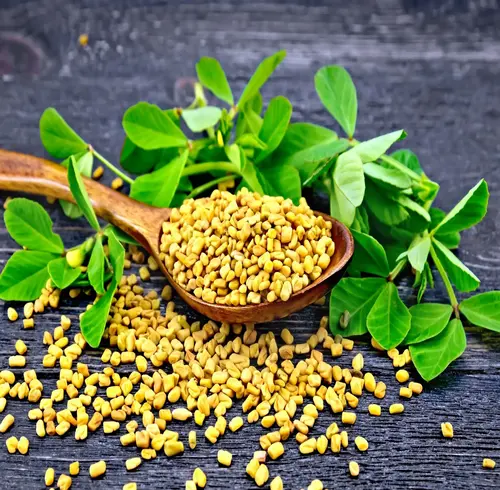
What is Fenugreek(Methi Seed)?
Fenugreek is a small, golden-brown seed that comes from a plant native to Asia and the Mediterranean. It’s commonly used as a spice in Indian dishes, but its uses go far beyond the kitchen.
Both fenugreek seeds and leaves have been used for centuries in Ayurveda and traditional medicine for their healing properties.
Health Benefits of Fenugreek
1. Controls Blood Sugar (Great for Diabetes)
Fenugreek is rich in soluble fiber, which helps slow the absorption of sugar in your stomach. This helps:
- Lower blood sugar levels
- Improve insulin sensitivity
- Prevent sudden sugar spikes or crashes
✅ Best for: People with Type 2 Diabetes, Pre-Diabetes, or Insulin Resistance
How Fenugreek Keeps Blood‑Sugar in Check
Fenugreek has earned its “diabetes‑friendly” reputation for a few very specific reasons. Here’s what’s happening inside your body and, just as important, how to use it safely.
Why It Works
| What Fenugreek Does | How It Happens (in plain English) |
|---|---|
| Slows the sugar rush after meals | The seeds are packed with soluble fibre. When that fibre soaks up water in your gut it turns gel‑like, slowing the speed at which carbs break down and sugars enter the bloodstream. Result: steadier, gentler glucose curves instead of sharp spikes. |
| Has an ultra‑low glycaemic index | Foods with a low GI barely nudge your blood sugar. Fenugreek’s GI is so low it’s almost negligible, making it ideal for anyone watching glucose levels. |
| Contains “sugar‑taming” plant chemicals | * Galactomannan – a special fibre that blunts post‑meal sugar rises. * Saponins – slow carb absorption and fight inflammation. * Alkaloids (trigonelline, choline) – help cells respond better to insulin. |
| Improves insulin sensitivity | Regular use helps your body’s own insulin work harder, so glucose moves from blood into cells more efficiently. |
| Directly lowers fasting & post‑meal glucose | Human studies show big drops: – 100 g defatted seed powder in Type 1 patients cut fasting sugars. – Just 15 g powder with a meal in Type 2 patients trimmed the usual post‑meal surge. |
Easy Ways to Take It
| Method | How to Do It | Typical Amount |
|---|---|---|
| Soaked‑seed water (most popular) | Soak 2 Tbsp seeds overnight → strain and drink water (eat the softened seeds if you like). | Daily, first thing in the morning |
| Tea / decoction | Simmer 1 tsp seeds or leaves for 5 min, strain, sip warm. | 1–2 cups a day |
| Powder in food | Stir powder into dals, smoothies, yogurt or sprinkle on curries after cooking. | 2.5 g – 15 g total per day |
| Sprouts | Soak, rinse, sprout 2–3 days; toss into salads or sandwiches. | ¼ cup sprouts |
| Capsules | Standardized extracts (check label). | Commonly 500 mg once or twice daily |
Safety First — Read This If You’re on Meds
- Watch for “double dipping”. Fenugreek + diabetes tablets or insulin can send glucose too low. Test your blood sugar frequently when you start.
- Time your pills. High fibre can slow the absorption of other oral drugs. Take medicines at least 1–2 hours apart.
- Start low, go slow. Gas or bloating usually fades after a week as your gut adapts.
- Pregnancy caution. Large therapeutic doses (beyond cooking amounts) aren’t advised—stick to culinary use only.
- Always tell your doctor or dietitian you’re adding fenugreek; they may need to tweak meds.
2. Improves Cholesterol & Heart Health
Fenugreek helps:
- Reduce bad cholesterol (LDL & triglycerides)
- Increase good cholesterol (HDL)
- Support healthy blood pressure
- Improve blood flow
✅ Best for: Anyone wanting better heart health or managing high cholesterol
3. Boosts Digestion
Its high fiber content makes it excellent for gut health:
- Eases bloating, gas, constipation
- Promotes healthy bowel movements
- Supports a healthy metabolism
✅ Best for: People with slow digestion or IBS
4. Promotes Hair Growth
Fenugreek is packed with proteins and nutrients that:
- Strengthen hair roots
- Reduce hair fall & dandruff
- Boost hair shine & softness
- Soothe irritated scalp
✅ Best for: Anyone struggling with hair loss or weak, dull hair
5. Supports Women’s Hormonal Health
Fenugreek can naturally balance hormones:
- Boosts estrogen
- Helps with PCOS, PMS, and menopause symptoms
- Supports menstrual health
- May aid fertility
✅ Best for: Women facing hormonal imbalances or irregular periods
6. May Help with Weight Loss
Because it’s rich in fiber, fenugreek can:
- Make you feel full for longer
- Control appetite
- Reduce unhealthy food cravings
✅ Best for: Weight management and belly fat reduction
7. Improves Skin Health
Fenugreek oil and paste are becoming skincare favorites. They:
- Fight acne & inflammation
- Hydrate dry skin
- Lighten dark spots & scars
- Boost collagen for youthful skin
✅ Best for: Acne-prone or dry, dull skin
8. Improves Lactation (With Caution)
Traditionally, fenugreek is used to increase milk supply in breastfeeding mothers. However, it doesn’t work for everyone. Some women have reported a drop in milk supply.
✅ Best for: Nursing moms (consult your doctor first)
9. Anti-Inflammatory & Pain Relief
Its natural compounds help:
- Ease joint pain and swelling
- Calm inflammation in the gut or skin
- Support recovery after workouts
✅ Best for: People with arthritis, eczema, or muscle pain
10. Rich in Antioxidants
Fenugreek helps protect your cells from damage:
- Slows down aging
- May lower cancer risk (especially breast & colon cancer)
- Detoxifies liver and kidneys
✅ Best for: Daily wellness & immune support
11. Men’s Health & Muscle Strength
Fenugreek may:
- Boost testosterone
- Improve sperm health
- Aid muscle recovery
- Enhance energy and stamina
✅ Best for: Men focusing on fitness or fertility
12. Other Traditional Uses
- Soothes coughs and asthma
- Heals wounds and sore muscles
- Supports liver and kidney function
- May protect brain health (Alzheimer’s, Parkinson’s)
- Reduces stomach ulcers
- Freshens breath
🍲 How to Use Fenugreek
You can take fenugreek in different forms:
- Seeds: Soak overnight and eat in the morning
- Powder: Add to smoothies, yogurt, or warm water
- Tea: Brew the seeds in hot water
- Sprouts: Add to salads
- Capsules or Supplements: Check dosage with a doctor
- Oil: Use for scalp or skin massage
- Cooking: Add methi leaves or seeds to dals, curries, and chutneys
📝 Recommended Daily Dose:
2.5 to 15 grams of seeds or powder per day (depending on form)
⚠️ Precautions & Side Effects
Fenugreek is safe for most people — but not for everyone.
- Can cause gas, bloating, or stomach upset
- May interact with blood thinners or diabetes medication
- Not safe during pregnancy in high doses (can cause early contractions)
- Always patch test before using fenugreek oil on skin
- Not suitable for everyone when it comes to lactation — try cautiously
✅ Always consult a doctor before starting a supplement — especially if you’re pregnant, nursing, or taking medications.
Final Thoughts: Is Fenugreek Right for You?
Fenugreek is truly a natural powerhouse — offering benefits from blood sugar control and digestion to hair care, skincare, hormonal balance, and more.
Whether you’re looking to manage diabetes, boost your immunity, or grow your hair faster, fenugreek is a safe and affordable ingredient to explore — when used wisely.
Recommended Supplement: Nector Plus
For those managing diabetes or in the pre-diabetic stage, Nector Plus offers natural support with powerful Ayurvedic herbs like Neem, Jamun, Fenugreek, Gymnema Sylvestre, and Bitter Gourd (Karela). It helps regulate blood sugar, boost energy, and protect vital organs — making it an excellent daily herbal companion for balanced glucose levels and overall wellness.