 Women’s Hygiene Products
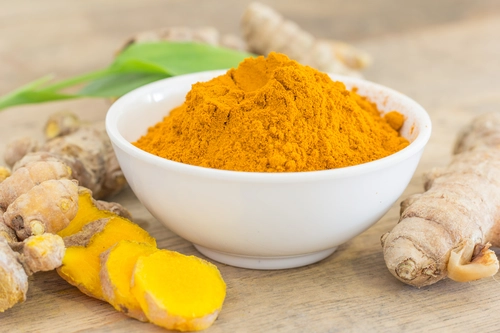
Turmeric, the vibrant yellow spice commonly used in Indian cuisine, has been a staple in traditional medicine for thousands of years. But what makes turmeric so special? The answer lies in its active compound: curcumin.
Curcumin is the powerhouse behind turmeric’s incredible health benefits. From reducing inflammation to boosting brain function, this natural compound has been the subject of countless studies and is celebrated for its wide-ranging therapeutic properties. In this blog, we’ll explore the science-backed benefits of curcumin, how it works, and how you can incorporate it into your daily life for better health.
Whether you’re new to curcumin or looking to deepen your understanding, this guide will provide you with everything you need to know about this golden spice.
What is Curcumin?
Curcumin is a bioactive compound found in turmeric, a root belonging to the ginger family. It’s responsible for turmeric’s bright yellow color and has been used for centuries in Ayurvedic and Chinese medicine to treat a variety of ailments.
Key Facts About Curcumin:
- Anti-Inflammatory: Curcumin is a potent anti-inflammatory agent, helping to combat chronic inflammation, which is linked to many diseases.
- Antioxidant: It neutralizes free radicals and boosts the body’s natural antioxidant enzymes.
- Bioavailability Challenge: Curcumin is not easily absorbed by the body on its own, but pairing it with black pepper (which contains piperine) can enhance absorption by up to 2,000%.
Top Science-Backed Benefits of Curcumin
Curcumin’s benefits are supported by extensive research. Here are some of the most notable ways it can improve your health:
1. Powerful Anti-Inflammatory Properties
Chronic inflammation is a root cause of many diseases, including heart disease, cancer, and Alzheimer’s. Curcumin helps by blocking molecules like cytokines and enzymes that trigger inflammation. Studies have shown that curcumin’s anti-inflammatory effects are comparable to some pharmaceutical drugs, but without the side effects.
2. Boosts Brain Health
Curcumin can cross the blood-brain barrier, making it beneficial for brain health. It has been shown to:
- Increase levels of brain-derived neurotrophic factor (BDNF), a growth hormone that supports brain function and reduces the risk of neurodegenerative diseases.
- Improve memory and cognitive function, particularly in older adults.
- Potentially delay or reverse brain diseases like Alzheimer’s by clearing amyloid plaques, a hallmark of the condition.
3. Supports Heart Health
Heart disease is the leading cause of death worldwide, and curcumin may help reduce several risk factors:
- Improves the function of the endothelium (the lining of blood vessels), which regulates blood pressure and clotting.
- Reduces inflammation and oxidation, both of which contribute to heart disease.
- Lowers LDL (“bad”) cholesterol and triglycerides.
4. May Help Prevent Cancer
While more research is needed, early studies suggest that curcumin may play a role in cancer prevention and treatment. It can:
- Inhibit the growth of cancer cells and reduce the spread of tumors.
- Contribute to the death of cancerous cells.
- Enhance the effectiveness of chemotherapy while reducing its side effects.
5. Eases Arthritis Symptoms
Curcumin’s anti-inflammatory properties make it a natural remedy for arthritis. Studies have shown that it can reduce pain and improve mobility in people with osteoarthritis and rheumatoid arthritis, often matching the effectiveness of prescription medications.
6. Supports Digestive Health
Curcumin stimulates bile production, which aids in digestion and helps prevent bloating and gas. It may also help manage conditions like irritable bowel syndrome (IBS) and inflammatory bowel disease (IBD).
7. Improves Mood and Fights Depression
Curcumin has been shown to boost serotonin and dopamine levels, two neurotransmitters that regulate mood. Research suggests it may be as effective as antidepressants in treating mild to moderate depression, with fewer side effects.
8. Promotes Skin Health
Curcumin’s antioxidant and anti-inflammatory properties make it beneficial for the skin. It can:
- Reduce acne and breakouts.
- Speed up wound healing.
- Improve conditions like psoriasis and eczema.
9. Aids in Weight Management
Curcumin may support weight loss by:
- Reducing inflammation associated with obesity.
- Regulating blood sugar levels.
- Enhancing fat metabolism.
10. Supports Liver Health
Curcumin helps detoxify the liver and protects it from damage caused by toxins, alcohol, and certain medications.
How to Incorporate Curcumin into Your Diet
While turmeric contains curcumin, the concentration is relatively low (about 3% by weight). To reap the full benefits, consider these tips:
1. Use Turmeric in Cooking
Add turmeric to soups, stews, curries, and rice dishes. Pair it with black pepper to enhance absorption.
2. Golden Milk
Golden milk, a traditional Ayurvedic drink, combines turmeric with milk (or a plant-based alternative), black pepper, and other spices like cinnamon and ginger.
3. Curcumin Supplements
Curcumin supplements are a convenient way to get a concentrated dose. Look for products that include piperine (black pepper extract) or are formulated for better bioavailability.
4. Turmeric Tea
Brew a soothing cup of turmeric tea by steeping grated turmeric root or powder in hot water. Add honey and lemon for flavor.
Potential Side Effects and Precautions
While curcumin is generally safe, it’s important to be aware of potential side effects and interactions:
- Digestive Issues: High doses may cause stomach upset or diarrhea.
- Blood Thinning: Curcumin can thin the blood, so avoid it if you’re on blood-thinning medications or preparing for surgery.
- Iron Absorption: Curcumin may interfere with iron absorption, so those with iron deficiency should use it cautiously.
- Pregnancy and Breastfeeding: Consult a healthcare provider before using curcumin supplements during pregnancy or breastfeeding.
Conclusion
Curcumin is truly a golden spice, offering a wide range of health benefits backed by science. From reducing inflammation and supporting heart health to boosting brain function and improving mood, this natural compound is a valuable addition to any wellness routine.
Whether you choose to incorporate turmeric into your meals or opt for curcumin supplements, the key is consistency. Pair it with black pepper to enhance absorption, and always consult a healthcare professional if you have any underlying health conditions or concerns.
By embracing the power of curcumin, you can take a proactive step toward better health and well-being. So, why not start today? Your body will thank you!
Final Tip: If you’re new to curcumin, start with small amounts and gradually increase your intake. This will help your body adjust and allow you to experience its benefits without any discomfort.
Here’s to your health and happiness with the golden spice! 🌟
Featured products
-
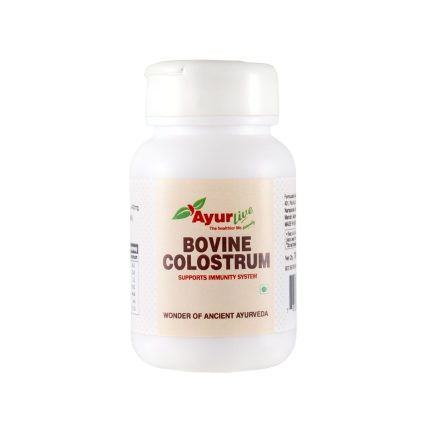
Bovine Colostrum Extract
Original price was: 150.00 AED.50.00 AED Current price is: 50.00 AED. -
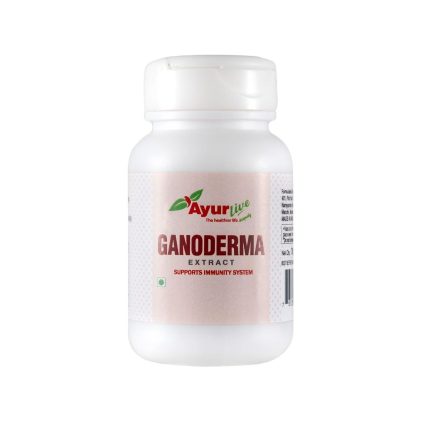
Ganoderma Extract – Premium Herbal Supplement for Immunity & Vitality
Original price was: 200.00 AED.80.00 AED Current price is: 80.00 AED. -
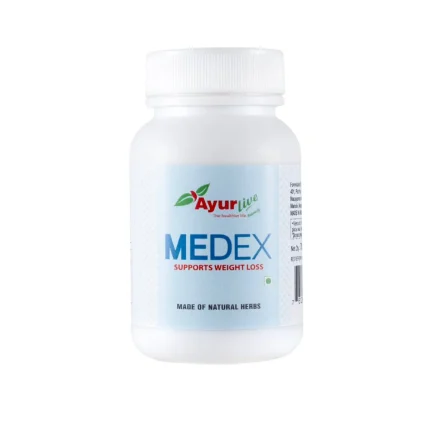
Medex – Ayurvedic Weight Management with Garcinia Cambogia
Original price was: 150.00 AED.50.00 AED Current price is: 50.00 AED. -
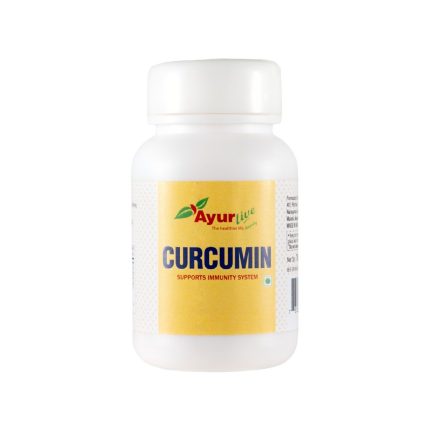
Natural Turmeric & Curcumin with Black Pepper – 30/60 Capsules
Original price was: 150.00 AED.50.00 AED Current price is: 50.00 AED.