
 Women’s Hygiene Products
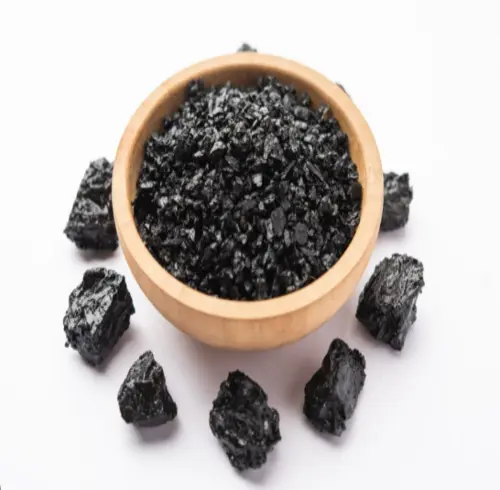
Shilajit is a sticky, tar-like substance that seeps from high-altitude rocks, mainly in the Himalayas. Over centuries, plants and organic matter decompose under pressure, forming this mineral-rich resin. In Sanskrit, its name means “conqueror of mountains and destroyer of weakness”, reflecting the respect it has earned in Ayurveda for thousands of years.
Packed with over 85 minerals, fulvic acid, and bioactive compounds, Shilajit is widely used as a natural supplement today. But what exactly does it do? Let’s break down its traditional uses, scientific evidence, health benefits, and safety tips in simple terms.
Traditional Uses of Shilajit
For over 3,000 years, Shilajit has been a key component of Ayurvedic medicine, often classified as a Rasayana — a rejuvenating substance that restores balance and promotes longevity.
Traditionally, it has been used to:
- Boost energy and stamina
- Support memory and brain function
- Treat conditions like arthritis, diabetes, and hemorrhoids
- Improve fertility and sexual vitality
- Support appetite and digestion
- Delay signs of aging
Ayurvedic practitioners also considered it a natural aphrodisiac and a tonic for both men and women to maintain strength and vitality.
Science-Backed Benefits of Shilajit
Modern research is catching up with ancient wisdom. While many studies are still small and more research is needed, current evidence supports a variety of health benefits.
1. Boosts Energy and Reduces Fatigue
- Shilajit helps the body produce more energy at the cellular level by improving mitochondrial function — the “powerhouse” of cells.
- Studies show it can reduce tiredness, speed up muscle recovery, and improve exercise performance when taken regularly.
- An 8-week study found that 500 mg of Shilajit daily reduced exercise-related fatigue and improved muscle strength in young adults.
Best for: Athletes, gym-goers, or anyone experiencing constant fatigue.
2. Supports Brain and Cognitive Health
- The fulvic acid in Shilajit may prevent harmful protein buildup in the brain, a key factor linked to Alzheimer’s disease.
- Research suggests it could help slow down cognitive decline and support memory.
- A 2012 review even called it a “safe and effective dietary supplement” for brain health.
Best for: Students, professionals, and older adults looking to sharpen focus and protect long-term brain function.
3. Enhances Sexual and Reproductive Health
Shilajit is known for balancing hormones and improving fertility in both men and women.
- In men, regular intake for 90 days raised testosterone levels by nearly 20%, supporting energy, libido, and muscle growth.
- It can improve sperm count, motility, and quality, especially in men with low fertility.
- For women, a clinical trial showed better sexual function after 60 days of supplementation without major side effects.
Best for: Those looking to boost libido, balance hormones, or support fertility naturally.
4. Anti-Inflammatory and Antioxidant Support
- Shilajit is loaded with antioxidants that help neutralize free radicals, reducing oxidative stress — a key factor in aging and chronic diseases.
- It also has anti-inflammatory properties, helping to soothe internal inflammation and support recovery from stress or injury.
- Older adults with high blood pressure saw lower oxidative stress levels after taking Shilajit regularly.
Best for: People managing inflammation-related conditions, such as arthritis or general fatigue.
5. Promotes Bone and Joint Health
- Postmenopausal women with osteopenia who supplemented with Shilajit maintained better bone mineral density.
- In small studies, patients recovering from fractures healed faster when using 1 g of Shilajit daily.
- It may also help prevent bone loss caused by aging or osteoporosis.
Best for: Older adults, postmenopausal women, or anyone recovering from bone injuries.
6. Supports Heart and Metabolic Health
- Research shows Shilajit can lower blood sugar and HbA1c levels, showing promise for people managing type 2 diabetes.
- It can improve cholesterol levels — lowering LDL (bad cholesterol) and triglycerides while raising HDL (good cholesterol).
- High doses in healthy adults also showed no negative effect on blood pressure.
Best for: Those aiming to manage cholesterol, support heart health, or control blood sugar levels.
7. Other Emerging Benefits
- Immune Support: Helps balance immune responses, enhancing or calming activity as needed.
- Mood and Stress Relief: Promotes dopamine release and supports magnesium balance, which may reduce stress and anxiety.
- Skin Health: Improves circulation and supports collagen production, leading to better skin elasticity and faster wound healing.
- Liver and Stomach Protection: Preclinical research suggests Shilajit protects the liver and may reduce ulcers.
- Anti-Cancer and Anti-Viral Potential: Early lab studies show it might slow the growth of certain cancer cells and provide antiviral support.
- Iron Absorption: Contains bioavailable iron, potentially helping with mild iron deficiency, though more human studies are needed.
Forms of Shilajit
Shilajit comes in three main forms, each with unique pros and cons:
1. Resin (Most Pure and Potent)
- Sticky, tar-like texture that turns reddish-brown when dissolved in warm water.
- Highest concentration of minerals and fulvic acid.
- Requires careful storage and has a naturally strong, earthy taste.
Best for: Those seeking maximum potency and willing to handle the natural texture.
2. Powder
- Made by drying and grinding the resin.
- Easier to mix with drinks or smoothies.
- Often less potent and sometimes mixed with fillers.
Best for: Casual users or those who prefer a more affordable option.
3. Capsules
- Convenient, taste-free, and easy to take daily.
- May absorb more slowly and sometimes contain additives.
Best for: Busy individuals who want a hassle-free supplement.
How to Take Shilajit
- Dosage: Typically 300–500 mg daily, sometimes split into two doses.
- Best time: Early morning on an empty stomach.
- How to consume: Dissolve resin in warm water or milk; adding honey can improve taste.
- Consistency: Benefits usually appear after 4–8 weeks of regular use.
Who Should Avoid Shilajit
Not everyone should use Shilajit. Avoid or consult a doctor if you:
- Are pregnant, breastfeeding, or trying to conceive
- Are under 18 (safety is unproven in children)
- Have heart conditions, high or low blood pressure
- Are on blood thinners or have a bleeding disorder
- Have diabetes, liver, or kidney disease
- Have autoimmune conditions like RA, lupus, or MCAS
- Have hemochromatosis (high iron levels)
- Experience side effects such as headaches, dizziness, GI issues, or hormonal changes
- Have had a bad reaction to Shilajit in the past
Always buy purified Shilajit from a reputable brand with lab reports to avoid heavy metals and microbial contamination.
Possible Side Effects
Shilajit is generally safe in moderate doses, but some people may experience:
- Headaches or dizziness
- Digestive discomfort like nausea or diarrhea
- Hormonal changes (e.g., acne, irregular periods, mild hair loss in women)
- Rarely, issues like high blood pressure or low potassium (pseudohyperaldosteronism)
If you experience discomfort, stop use and consult a healthcare professional.
Final Thoughts
Shilajit is a powerful natural adaptogen with a wide range of health benefits — from boosting energy and brain function to supporting bone, heart, and sexual health. When taken consistently and in the right, purified form, it can be a valuable supplement for overall well-being.
However, it’s not a quick fix or a substitute for medical treatment. Consult a healthcare professional before starting, especially if you have existing health conditions or take prescription medications.
By choosing authentic, lab-tested Shilajit and using it responsibly, you can safely tap into the ancient wisdom and modern science supporting this Himalayan treasure.